Who Are the Tokelauans?
The Tokelauans are a Polynesian people inhabiting three tiny coral atolls—Atafu, Nukunonu, and Fakaofo—in the South Pacific Ocean, approximately halfway between Hawaii and New Zealand. With a total land area of just 12.2 square kilometers (smaller than many airports) and a population of roughly 1,500, Tokelau represents one of Earth's smallest and most remote inhabited territories. As a dependent territory of New Zealand, these islands have no airports, no harbors deep enough for large ships, and can only be reached by a 24-hour boat journey from Samoa. The Tokelauans have developed remarkable systems of communal living and sustainable resource management that have allowed them to thrive on these fragile coral islands for over 1,000 years—though climate change now threatens their very existence.
Life on a Coral Atoll
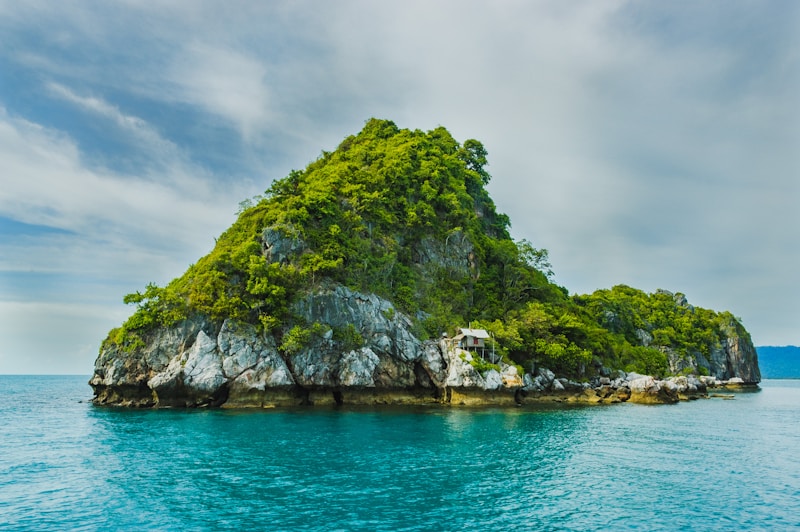
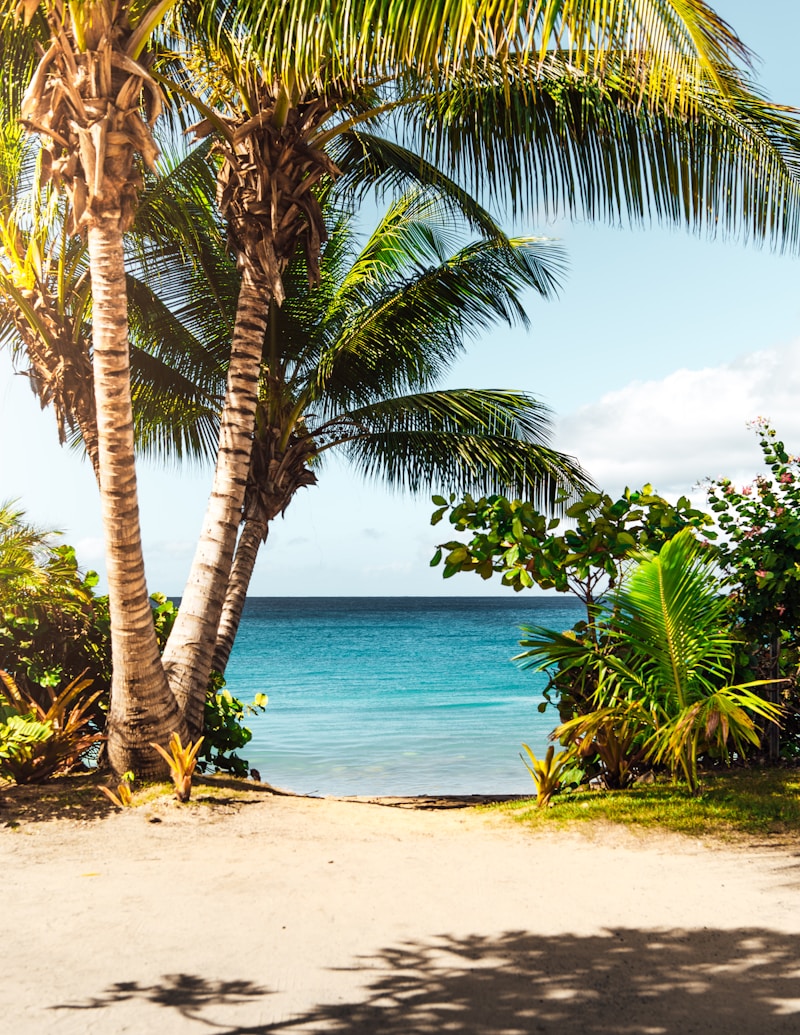
Tokelau's atolls are the remnants of ancient volcanic islands, now reduced to narrow strips of coral and sand rising just 3-5 meters above sea level at their highest points. Each atoll encircles a lagoon, and villages are clustered on the wider sections of the reef. The land is so limited that there is no room for cars—people walk everywhere or use small boats. Fresh water is extremely scarce, collected from rainfall and stored in communal cisterns. The surrounding ocean and lagoons provide most food: fish, octopus, clams, and coconut crabs. Coconut palms provide materials for everything from food (coconut milk, meat) to building materials to traditional crafts. This extreme environment has shaped a culture of careful resource management and community cooperation.
Inati: The Communal Sharing System
Tokelau's most distinctive cultural practice is inati, a traditional system of communal food sharing that ensures everyone receives an equal portion of community catches and harvests. When fishermen return with their catch, the fish are divided equally among all families regardless of who caught them or how much work they contributed. This system, deeply rooted in Polynesian values of reciprocity and community welfare, means no one in Tokelau goes hungry while others have plenty. Fatupaepae (village assemblies) govern community affairs through consensus, and the position of Ulu-o-Tokelau (head of Tokelau) rotates annually among the three atolls, ensuring balance and equality.
Polynesian Navigation and Seafaring
Like their Polynesian ancestors who settled these remote islands over a millennium ago, Tokelauans are expert sailors and navigators. Traditional outrigger canoes (vaka) remain central to daily life for fishing and inter-island travel. Tokelauans traditionally navigated using the stars, ocean swells, cloud patterns, and bird flight paths—knowledge passed down through generations. The isolation of the atolls meant Tokelauans developed largely self-sufficient communities, though traditional trade relationships connected them to Samoa and other Pacific islands. Today, many Tokelauans have migrated to New Zealand (where about 7,000 Tokelauans now live), creating a diaspora larger than the homeland population.
Climate Change: Existential Threat
Tokelau faces an existential crisis from climate change. With maximum elevations of only 3-5 meters, rising sea levels threaten to inundate the atolls entirely within decades. Already, king tides and storm surges regularly flood villages, contaminating freshwater supplies with salt and eroding precious land. Coral bleaching devastates the reefs that protect the islands and provide food. The Tokelauan government has been a powerful voice in international climate negotiations, with leaders arguing that allowing their islands to disappear would be a form of cultural genocide. Plans include possible relocation to New Zealand, but Tokelauans face the loss of their ancestral home, sacred sites, and the way of life that has sustained them for over 1,000 years.
Language, Music, and Cultural Identity
The Tokelauan language, closely related to Samoan and Tuvaluan, remains the primary language of the islands, though English is also widely spoken. Traditional music features group singing (pehe) and dancing, often accompanied by wooden drums and body percussion. The fatele, a seated dance performed in rows, features complex rhythmic clapping and synchronized movements. Despite modernization and emigration, Tokelauans maintain strong cultural identity through language preservation, traditional crafts (especially fine mat weaving from pandanus leaves), and the continuation of communal practices like inati. Annual cultural festivals celebrate Tokelauan heritage, and diaspora communities in New Zealand maintain active connections to their ancestral atolls.