The Sentinelese People
Last Uncontacted Tribe - Guardians of North Sentinel Island - Fierce Protectors of Isolation
Who Are the Sentinelese?
The Sentinelese are one of the last uncontacted peoples on Earth, inhabiting North Sentinel Island in the Andaman Islands, Bay of Bengal, India. Estimated to number between 50-400 individuals, the Sentinelese have maintained virtually complete isolation from the outside world for tens of thousands of years, consistently rejecting all contact attempts with hostility. They are believed to be direct descendants of the first humans to migrate out of Africa, having lived on their 60-square-kilometer island for an estimated 60,000 years with minimal external influence. The Sentinelese practice a hunter-gatherer lifestyle, fishing in surrounding reefs, gathering forest resources, and possibly practicing limited horticulture. They construct temporary shelters, craft outrigger canoes, and fashion weapons including bows and arrows used to defend their territory. Their language remains completely undocumented and is likely unrelated to other Andamanese languages. The Indian government has established a 3-kilometer exclusion zone around the island, recognizing the Sentinelese's right to remain uncontacted and protecting them from disease and exploitation to which they have no immunity.
Territory and Environment
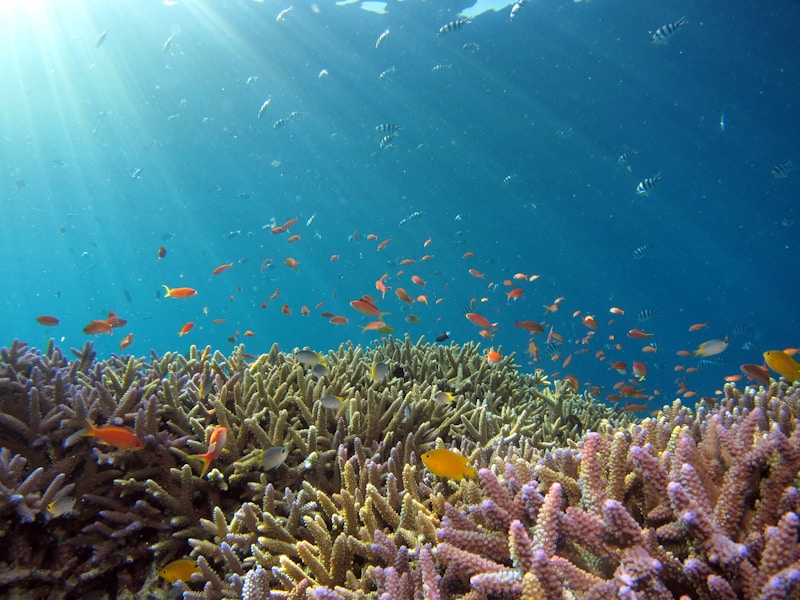
North Sentinel Island lies in the Andaman archipelago approximately 50 kilometers west of Great Andaman. The island measures roughly 60 square kilometers, covered with dense tropical rainforest extending to coral reef-fringed beaches. The interior remains largely unexplored, though aerial observations suggest the Sentinelese construct camps throughout the island rather than permanent settlements. The surrounding waters provide rich marine resources including fish, shellfish, and turtles, which form a significant part of their diet. The island experienced a 1-2 meter rise during the 2004 Indian Ocean tsunami, yet the Sentinelese survived—possibly due to traditional knowledge allowing them to move to higher ground. The coral reefs make landing difficult, providing natural protection. No outsiders have successfully conducted sustained peaceful contact or anthropological study of the island's interior, leaving most knowledge based on brief observations from boats or helicopters.
Lifestyle and Technology
From limited observations, the Sentinelese appear to practice a Paleolithic hunter-gatherer lifestyle with sophisticated knowledge of their environment. They construct lean-to shelters with no evidence of permanent villages, suggesting a semi-nomadic existence moving between camps. The Sentinelese craft outrigger canoes for fishing in shallow waters, though notably they have never been observed venturing into deep ocean. They fashion bows and arrows from available materials—arrows can be tipped with metal scavenged from shipwrecks. Evidence suggests they use fire, though whether they can create it or maintain fires from lightning strikes remains unknown. No agriculture has been definitively observed, though they may practice limited cultivation. They gather wild resources including coconuts, pandanus, and forest tubers. The Sentinelese demonstrate sophisticated tool-making, creating baskets, cordage, and fishing equipment. They go largely unclothed, with occasional use of fiber ornaments or headbands. Population size remains uncertain due to their hostility to observers.
Contact History and Defense
The Sentinelese have consistently and violently rejected contact attempts throughout recorded history. While surrounded islands experienced devastating contact with colonial powers and diseases, North Sentinel Island's difficult landing and fierce inhabitants protected them. Contact expeditions in the 1970s-1990s led by Indian anthropologist T.N. Pandit made brief peaceful exchanges leaving coconuts, though these ended after arrows were fired at teams. All approaches are met with defensive hostility—arrows, spears, and threatening displays. In 2006, Sentinelese killed two fishermen who drifted near their shores. In 2018, American missionary John Allen Chau was killed after illegally attempting to contact the tribe. These incidents demonstrate their clear desire for isolation. The Sentinelese cannot speak other Andamanese languages, suggesting extremely long isolation. Their hostility likely represents rational response to colonial history devastating neighboring islands through disease, slavery, and cultural destruction. The Indian government now prohibits approach, recognizing their vulnerability to disease and right to self-determination.
Protection and Ethical Considerations
The Indian government has established comprehensive legal protection for the Sentinelese and their island. North Sentinel Island is designated a tribal reserve with a 3-kilometer exclusion zone enforced by the Indian Navy. Photography, filming, and approaching the island are strictly prohibited. These protections stem from recognition that contact could be catastrophic—the Sentinelese have no immunity to common diseases that devastated other Andamanese groups, reducing populations by 90-99% after contact. The ethical consensus among anthropologists supports non-contact, respecting the Sentinelese's demonstrated wish for isolation and their right to self-determination. Survival International and other advocacy groups campaign to maintain these protections against tourism pressures. The 2018 killing of John Chau sparked global debate, with most experts condemning his illegal contact attempt as endangering the entire population. The Sentinelese represent one of Earth's last independent societies, living according to their own cultural framework largely unchanged for millennia—a situation deserving protection rather than interference.
Significance and Future
The Sentinelese hold profound significance as potentially the most isolated human population on Earth. They represent a unique cultural and linguistic heritage completely independent of modern civilization, offering insights into human prehistory and adaptability. Their continued existence demonstrates that human societies can thrive for millennia with Paleolithic technology when undisturbed. The Sentinelese's fierce independence challenges assumptions about "progress" and "development," showing that isolation can be a deliberate choice deserving respect. Their genetic isolation makes them invaluable for understanding human evolution and migration, though ethical considerations prohibit intrusive research. Major threats include climate change and rising sea levels potentially inundating their low-lying island, illegal fishing in their waters, and tourism pressures. Maintaining protection requires ongoing government commitment and public understanding. The future of the Sentinelese depends on continued respect for their autonomy—allowing them to remain uncontacted unless they initiate peaceful contact on their own terms, ensuring one of humanity's most ancient cultures survives on its own terms.
Image Gallery