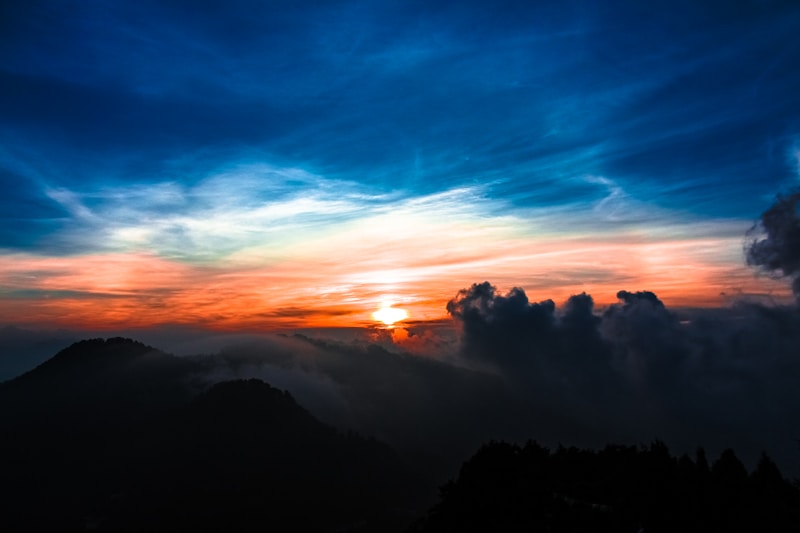
The Mazatec People
Guardians of Sacred Mushroom Wisdom - Masters of Whistled Language - People of the Sierra Mazateca
Who Are the Mazatec?
The Mazatec (Ha shuta Enima, meaning "We Humble People" in their language) are an indigenous people inhabiting the Sierra Mazateca mountains of northern Oaxaca, Mexico. With approximately 220,000 speakers, they are among the major indigenous groups of Oaxaca. The Mazatec are internationally renowned as the keepers of ancient shamanic traditions involving sacred mushrooms (psilocybe), particularly through the fame of María Sabina, the curandera (healer) who introduced Western researchers to these ceremonial practices in the 1950s. Beyond this well-known aspect, the Mazatec have developed a remarkable whistled speech language that allows communication across mountain valleys, sophisticated cave-dwelling traditions, and expertise in herbal medicine. Their territory encompasses dramatic landscapes from lowland tropical regions to cloud-forest highlands, fostering rich biodiversity knowledge. Despite modernization pressures, the Mazatec maintain vital cultural practices including traditional agriculture, healing ceremonies, and their complex tonal language.
Sacred Mushroom Traditions and María Sabina
The Mazatec have maintained ancient shamanic traditions involving sacred mushrooms (psilocybe mushrooms known as nti si tho, "little ones that sprout") for healing and divination ceremonies. These veladas (night vigils) are conducted by curanderos who chant sacred songs while participants seek spiritual guidance and healing. María Sabina (1894-1985), a renowned Mazatec curandera from Huautla de Jiménez, became internationally famous after hosting R. Gordon Wasson in 1955, leading to global interest in entheogens. While this brought unwanted attention and drug tourism that disrupted communities, it also highlighted Mazatec spiritual sophistication. Traditional ceremonies remain sacred practices, distinct from recreational drug use, involving careful ritual protocols, healing intentions, and deep spiritual knowledge passed through generations of healers.
Language and Communication Systems
The Mazatec language belongs to the Popolocan branch of Otomanguean languages and is famous for its complex tonal system with four distinct tones that change word meanings. This tonal complexity enabled development of the remarkable whistled speech where people whistle the tonal patterns to communicate across valleys. Mazatec also features unusual consonants including voiceless nasals. The language has several regional dialects with varying degrees of mutual intelligibility. Oral traditions preserve creation stories, moral teachings, and extensive knowledge about medicinal plants and fungi. Despite Spanish dominance, Mazatec remains vibrant in highland communities where it serves as the primary language of agriculture, healing, and community life.
Traditional Medicine and Plant Knowledge
Mazatec curanderos (healers) possess encyclopedic knowledge of medicinal plants from their biodiverse mountain environment. Beyond the famous sacred mushrooms, they use hundreds of plant species for treating physical ailments, spiritual illnesses (susto, mal de ojo), and emotional disturbances. Salvia divinorum (ska María Pastora), another sacred plant, has been used traditionally for divination. Healing practices integrate herbal remedies, ritual cleansings (limpias), prayer, and diagnostic techniques. Traditional midwives (parteras) assist childbirth using herbal preparations and ceremonies. This medical knowledge is transmitted orally from experienced practitioners to apprentices, though modernization threatens this transmission as younger generations migrate to cities and Western medicine becomes more accessible.
Agriculture and Environmental Adaptation
The Mazatec practice slash-and-burn agriculture (roza-tumba-quema) adapted to steep mountain slopes, cultivating corn, beans, chilies, and coffee. They developed sophisticated knowledge of microclimates, growing different crops at various elevations from tropical lowlands to cool highlands. Traditional agriculture incorporates crop rotation and fallowing to maintain soil fertility. Coffee cultivation became economically important in the 20th century, though market fluctuations have caused hardship. Mazatec communities also gather wild foods including mushrooms, herbs, fruits, and palm hearts. The construction of the Miguel Alemán Dam in the 1950s flooded lowland Mazatec territories, displacing thousands and causing lasting trauma that continues affecting communities today.
Contemporary Mazatec Life
Modern Mazatec communities balance tradition and change, with many young people migrating to cities for education and employment while maintaining home connections. Huautla de Jiménez, the largest Mazatec town, serves as a cultural center despite challenges from drug tourism seeking María Sabina's legacy. Cultural revival efforts include bilingual education programs, documentation of traditional knowledge, and protection of sacred sites. Mazatec weavers produce distinctive textiles, particularly white cotton huipiles with red embroidery. Traditional fiestas blend Catholic saints' days with indigenous ceremonies, featuring music from indigenous bands. Mazatec intellectuals and activists work to preserve their language and oppose exploitation of traditional knowledge by pharmaceutical companies interested in sacred mushrooms. The community continues adapting while maintaining pride in their unique cultural heritage.
Image Gallery