The Mam Maya People
Speakers of the Oldest Maya Language - Highland Coffee Farmers - Volcano Guardians
Who Are the Mam Maya?
The Mam Maya are one of Guatemala's largest indigenous groups, numbering over one million people, with their language considered the oldest continuously spoken Mayan language. Inhabiting the western highlands of Guatemala (particularly Huehuetenango and Quetzaltenango departments) and parts of Chiapas, Mexico, the Mam live in mountainous volcanic terrain, including areas around Tajumulco, Central America's highest peak. Their name possibly derives from "mam" meaning grandfather or ancestor, reflecting their ancient lineage. The Mam maintained relative autonomy even during Maya Classic period, with their own kingdoms and cultural traditions. Today they preserve their language, agricultural practices based on corn and coffee cultivation, traditional authority systems, and distinctive weaving patterns while facing challenges of poverty, land scarcity, and the legacy of Guatemala's brutal civil war that particularly targeted Mam communities in the 1980s.
Ancient Kingdoms and Pre-Columbian History
The Mam established powerful kingdoms in the western highlands long before Spanish conquest. Their capital, Zaculeu, featured impressive stone pyramids and temples overlooking the Selegua River valley. Mam territory extended from Guatemala's Pacific coast into the highlands, controlling important trade routes for obsidian, jade, cacao, and quetzal feathers. Unlike lowland Maya cities that collapsed in the 9th century, Mam highland communities continued to flourish. The K'iche' Maya conquered much of Mam territory in the 15th century, though many Mam communities maintained autonomy through tribute payments. Spanish conquistador Pedro de Alvarado besieged Zaculeu in 1525, starving the defenders into submission. The ruined city remains an important cultural heritage site for the Mam people.
Highland Agriculture and Coffee Economy
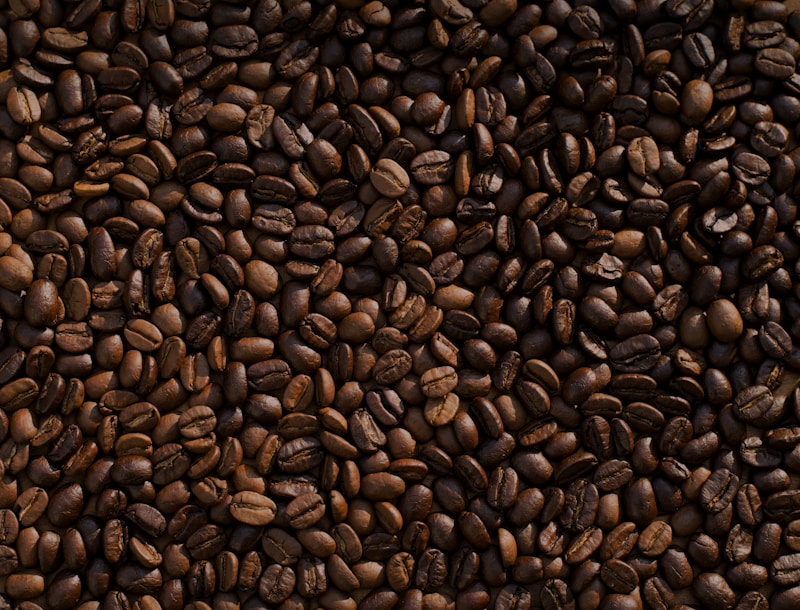
The Mam inhabit some of Central America's most rugged terrain, farming steep volcanic slopes at elevations from 1,500 to 3,500 meters. Traditional milpa agriculture grows corn, beans, and squash on terraced plots, often intercropped with coffee plants. Coffee became central to the Mam economy in the late 19th century when wealthy ladino (non-indigenous) landowners established plantations using forced indigenous labor. This created a two-tier system—large coffee fincas (estates) owned by outsiders and small subsistence plots worked by Mam families. Many Mam work seasonally on coastal plantations during harvest, a pattern established over a century ago. Fair trade coffee cooperatives have empowered some Mam communities to control production and marketing, improving economic conditions while maintaining organic farming practices valued internationally.
Traditional Governance and Costumbre
Mam communities maintain costumbre, traditional customs and spiritual practices blending ancient Maya beliefs with Catholicism. Aj q'ij (daykeepers or spiritual guides) maintain the sacred 260-day Maya calendar, perform ceremonies at sacred mountains and caves, and make offerings of candles, incense, and aguardiente to ancestors and earth deities. The cargo system requires community members to serve rotating religious and civic positions, creating social cohesion. Traditional authorities (principales) continue to mediate disputes and maintain community standards alongside official government structures. Sacred sites include volcano peaks, particularly Tajumulco where pilgrims climb to perform New Year ceremonies, and natural springs considered portals to the underworld.
Textile Traditions and Cultural Identity
Mam weaving produces distinctive textiles instantly recognizable to other indigenous Guatemalans. Women weave on backstrap looms, creating huipiles (blouses) with unique patterns for each town. Todos Santos Cuchumatán is famous for its red-and-white striped pants worn by men, while women's huipiles feature elaborate brocaded collars representing sacred mountains. Purple and magenta colors predominate in Mam textiles, achieved through both natural dyes and commercial threads. The designs incorporate ancient Maya symbols—diamonds representing the universe, zigzags for lightning and mountains, and stylized human and animal forms. Beyond clothing, textiles serve as cultural identity markers, with specific patterns, colors, and weaving techniques transmitted from mothers to daughters across generations.
Civil War Legacy and Contemporary Challenges
Guatemala's 36-year civil war (1960-1996) devastated Mam communities. The army targeted Mam villages suspected of supporting guerrillas, committing massacres and forcing survivors into "model villages" under military control. Entire communities fled to Mexico as refugees. The 1999 UN Truth Commission documented genocide against Maya peoples, with Mam areas particularly affected. Post-war, Mam communities struggle with poverty, land disputes with plantations, lack of educational and health services, and environmental degradation from deforestation and climate change affecting coffee harvests. Youth migration to the U.S. depletes communities of young people. However, Mam cultural revitalization efforts include bilingual education programs, Maya language radio stations, documentation of traditional knowledge, and indigenous rights organizing. The 1996 Peace Accords recognized indigenous rights, though implementation remains incomplete.
Image Gallery