Who Are the Kalasha?
The Kalasha are one of the world's most unique indigenous peoples—a small community of approximately 3,000-4,000 people who have maintained their ancient polytheistic religion, distinctive culture, and remarkable traditions for millennia in three remote valleys of Pakistan's Hindu Kush mountains. Surrounded by Muslim populations in Chitral District of Khyber Pakhtunkhwa province, the Kalasha represent the last surviving practitioners of an ancient Indo-European religious tradition that once spread across much of South and Central Asia. Their vibrant festivals, colorful traditional dress, wine-making traditions (unique in Islamic Pakistan), and complex spiritual beliefs make them one of Asia's most fascinating and endangered indigenous cultures.
The Three Valleys: Birir, Bumburet, and Rumbur
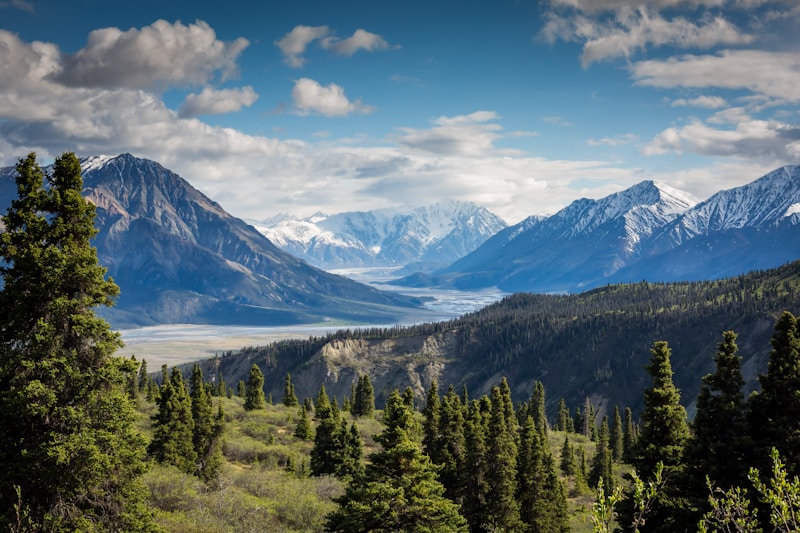
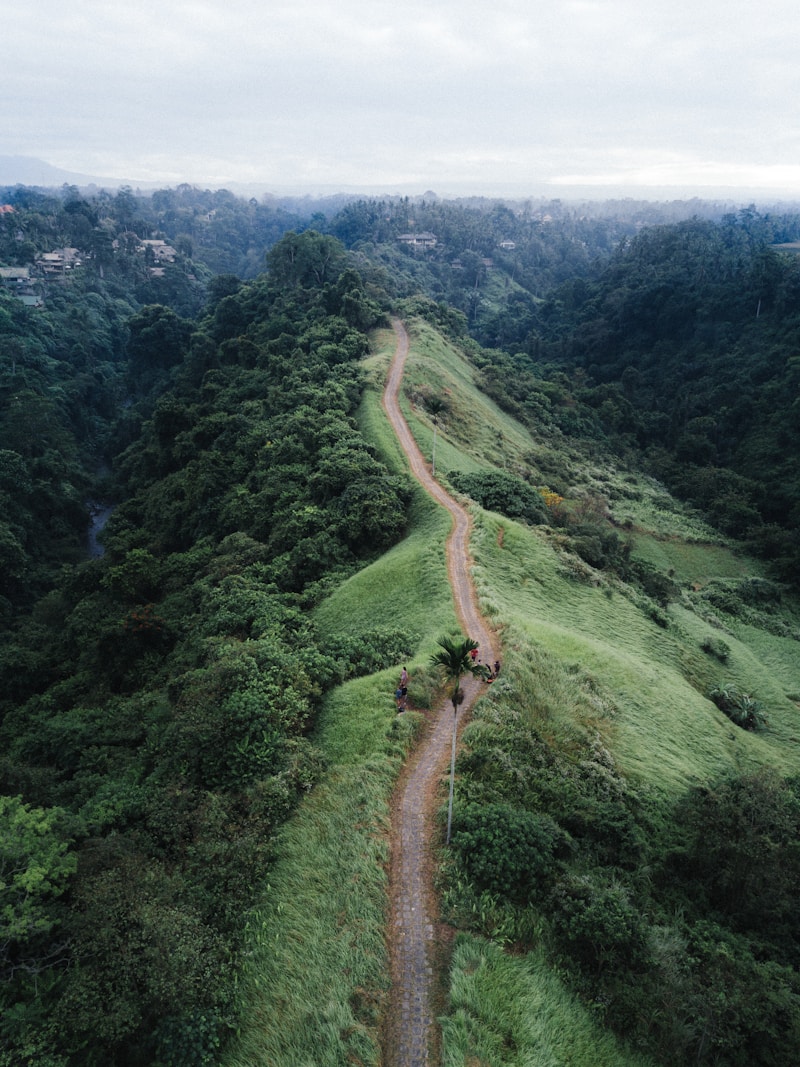
The Kalasha inhabit three narrow valleys—Birir, Bumburet, and Rumbur—carved into the southern slopes of the Hindu Kush at elevations between 1,500 and 3,000 meters. These valleys, accessible only by winding mountain roads, feature terraced fields, walnut and mulberry orchards, and villages of distinctive wooden houses built into steep hillsides. The isolation of these valleys protected Kalasha culture from the waves of Islamization that converted surrounding populations over the past millennium. Today, tourism brings both economic opportunity and cultural pressures, as visitors come to witness the Kalasha's colorful festivals and unique way of life. Climate change increasingly threatens traditional agriculture as water patterns shift and glaciers recede.
Polytheistic Religion and Spirituality
Kalasha religion centers on a pantheon of gods, spirits, and supernatural beings that scholars connect to ancient Vedic and pre-Zoroastrian Indo-Iranian traditions. The supreme deity Dezau (or Khodai) created the world, while other important deities include Mahandeo (a protector god), Jestak (goddess of family and fertility), and Sajigor (warrior god). Ancestor spirits play important roles, and the distinction between onjesta (pure) and pragata (impure) governs much of daily life. Sacred sites called jestakhan serve as temples, while outdoor altars mark significant locations. Shamans (dehar) communicate with spirits, interpret dreams, and conduct healing ceremonies. This living polytheistic tradition represents an invaluable link to the religious practices of ancient Inner Asia.
Festivals: Chilimjusht, Uchal, and Chaumos
Kalasha life revolves around three major festivals celebrating the agricultural cycle and honoring the gods. Chilimjusht (May) marks spring's arrival with prayers for livestock and crops, featuring dancing, singing, and ritual sacrifices. Uchal (August) celebrates the harvest, with communities gathering to give thanks for the year's produce. The most important festival is Chaumos (December), a two-week winter solstice celebration featuring elaborate rituals, masked dancing, community feasting, and the welcoming of the demi-god Balimain who brings blessings for the new year. During these festivals, Kalasha women wear their most elaborate traditional dress, and communities come together in singing, dancing, and celebration that can continue through entire nights.
Women's Dress and Identity
Kalasha women's traditional dress is among the most distinctive in South Asia—a stark visual contrast to the surrounding Muslim populations where women typically cover conservatively. Kalasha women wear long black robes called piran, elaborately decorated with colorful embroidery, cowrie shells, buttons, and beads. Their most striking feature is the kupas—an elaborate headdress adorned with cowrie shells, beads, buttons, and woolen pompoms. Women also wear numerous necklaces, bracelets, and other jewelry. This distinctive dress serves as a powerful marker of Kalasha identity, and women's refusal to adopt Islamic dress has been central to cultural preservation. Girls begin wearing traditional dress from childhood, and the clothing's creation involves significant skill and community knowledge.
Origins and the Alexander Legend
The origins of the Kalasha have long fascinated scholars. Popular legend claims descent from Alexander the Great's soldiers, pointing to the Kalasha's sometimes lighter coloring (blue/green eyes, fair skin) as evidence. However, genetic and linguistic studies suggest the Kalasha are descended from ancient Dardic-speaking populations who inhabited this region long before Alexander's campaigns (327-325 BCE). The Kalasha language belongs to the Dardic branch of Indo-Aryan languages, related to other Hindu Kush language groups. Their religion shows connections to Vedic traditions that predate Alexander by centuries. Whatever their origins, the Kalasha represent a cultural survival of extraordinary significance—preserving traditions that illuminate the religious and cultural landscape of ancient Inner Asia.
Contemporary Challenges
The Kalasha face mounting pressures threatening their cultural survival. Conversion to Islam has reduced their population significantly over recent decades, with social and economic pressures encouraging young people to convert. Tourism, while providing income, exposes the community to outside influences and commodifies sacred traditions. Education in Urdu rather than Kalasha threatens language transmission. Intermarriage with Muslims typically results in children being raised Muslim. Climate change affects traditional agriculture. Despite these challenges, the Kalasha have established cultural organizations, work to document their language and traditions, and advocate for their rights as an indigenous minority. International attention has brought both support and new complications as the Kalasha navigate the difficult balance between cultural preservation and participation in modern Pakistan.