The Ch'ol Maya People
Ancient Pyramid Builders - Descendants of Palenque - Guardians of the Chiapas Jungle
Who Are the Ch'ol Maya?
The Ch'ol Maya (Winik, meaning "Person" or "Man" in Ch'ol) are an indigenous Maya people inhabiting the tropical lowlands of northern Chiapas, Mexico, particularly in the municipalities of Tila, Tumbalá, Sabanilla, and Palenque. With approximately 220,000 speakers, Ch'ol is one of the most vital Mayan languages. The Ch'ol are direct descendants of the Classic Maya civilization, with strong historical connections to the great city of Palenque—many Ch'ol communities live in the shadows of ancient pyramids their ancestors built. Their language belongs to the Cholan branch of Mayan languages, closely related to Chontal and Ch'orti'. The Ch'ol developed sophisticated agricultural systems adapted to tropical jungle environments, including milpa rotation and cacao cultivation. They maintain rich ceremonial traditions honoring earth lords (ajaw), rain deities, and sacred caves where ceremonies petition for agricultural abundance. Despite centuries of marginalization, the Ch'ol have preserved their language, traditional governance through cabildo systems, and profound spiritual connections to their ancestral landscape.
Connection to Classic Maya Heritage
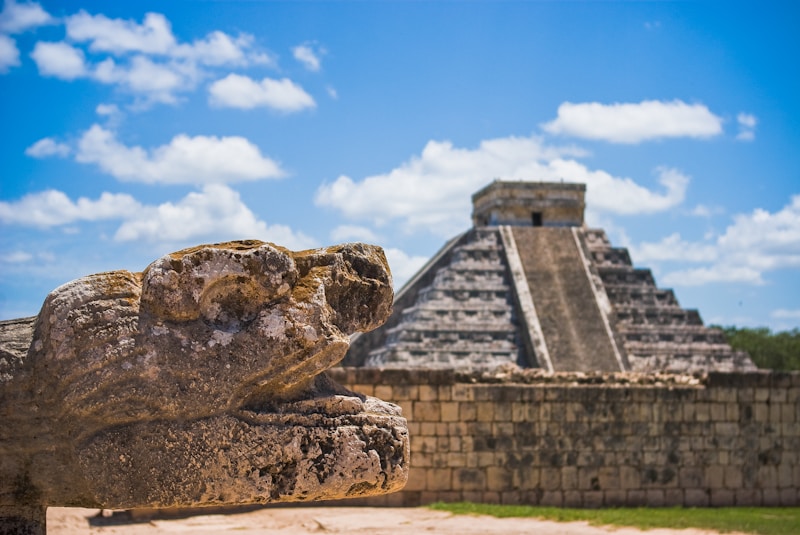
The Ch'ol maintain profound connections to Classic Maya civilization, particularly the great city of Palenque (Lakamha' in Mayan). Archaeological evidence and linguistic analysis confirm Ch'ol ancestors built and inhabited this spectacular ceremonial center during its peak (600-750 CE). The Ch'ol language belongs to the Cholan branch, believed to be closely related to the prestige language of Classic Maya inscriptions. Many Ch'ol communities live near ancient ruins—Palenque, Toniná, and smaller sites—where they maintain spiritual connections through ceremonies at sacred caves and springs. While Classic Maya civilization collapsed in the 9th-10th centuries, Ch'ol people continued inhabiting the region, adapting to post-Classic conditions and later Spanish colonization while maintaining cultural continuity with their illustrious ancestors.
Language and Oral Traditions
The Ch'ol language is one of the most vigorous Mayan languages with over 220,000 speakers maintaining it as their primary language. Ch'ol belongs to the Western branch of Cholan languages, closely related to Chontal de Tabasco and Ch'orti' of Guatemala. The language features complex verb morphology typical of Mayan languages, with aspect and mood marking. Ch'ol has two main dialect regions: Tila and Tumbalá. Oral traditions preserve creation narratives, stories of the earth lords (ajaw), and historical accounts of migration and settlement. Traditional narratives explain the origins of corn, caves, mountains, and important plants. Despite Spanish dominance and recent evangelical Christian influence disrupting some traditional practices, Ch'ol remains vital in communities, passed from parents to children and used in agriculture, commerce, and daily life.
Milpa Agriculture and Jungle Adaptation
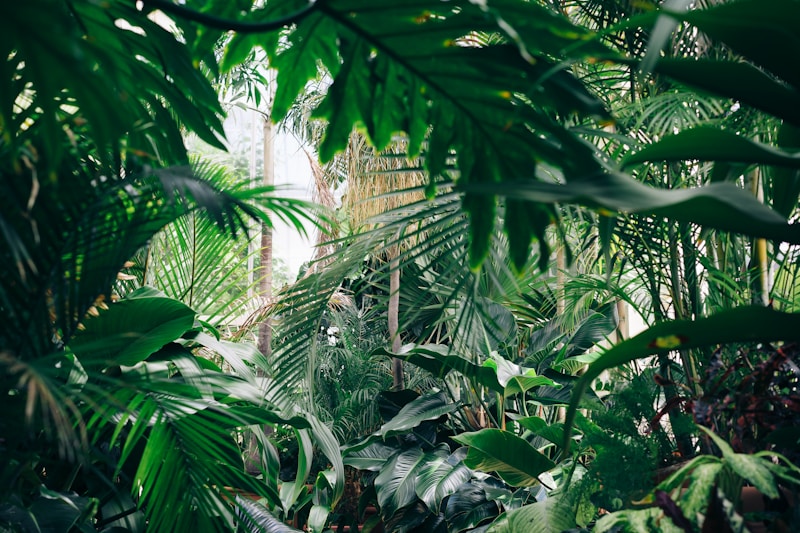
The Ch'ol practice sophisticated milpa agriculture adapted to tropical jungle environments, cultivating the sacred trilogy of corn, beans, and squash along with chilies, cacao, and fruit trees. Their agricultural system involves careful forest rotation—plots are cleared, burned, cultivated for 2-3 years, then allowed to regrow for 7-10 years, maintaining soil fertility and forest regeneration. The Ch'ol developed extensive knowledge of jungle ecology, using dozens of wild plants for food, medicine, and construction. Cacao cultivation has ancient roots, with cacao holding ceremonial importance and economic value. Coffee cultivation was introduced in the 20th century and became economically significant. Agricultural ceremonies involve offerings to the earth lords (ajaw) who control rain, fertility, and wild animals, with rituals performed at caves and springs requesting agricultural abundance.
Sacred Caves and Spiritual Practices
The Ch'ol maintain profound spiritual connections to sacred caves, considered entrances to the underworld and homes of the earth lords (ajaw). These supernatural beings control rain, fertility, and agricultural success, requiring offerings and prayers from community members. Traditional healers (ilol) conduct ceremonies at caves, making offerings of candles, incense, and ritual foods. The cargo system structures community religious life, with individuals rotating through ceremonial offices maintaining Catholic saints' cults that blend with Maya beliefs. Important ceremonies mark agricultural cycles—planting season rituals request rain and protection from pests, while harvest ceremonies give thanks. Some communities maintain the tradition of K'in, a multi-day agricultural ceremony with dancing, offerings, and feasting.
Contemporary Ch'ol Communities
Modern Ch'ol communities face significant challenges including poverty, land scarcity, and political marginalization. Many Ch'ol participated in the 1994 Zapatista uprising, with several municipalities becoming Zapatista strongholds. The uprising brought attention to indigenous demands for land rights, political autonomy, and cultural recognition. Traditional governance through ejidos and traditional authorities coexists with Mexican municipal systems. Migration to cities and agricultural labor camps has increased as land pressure grows. Despite challenges, Ch'ol cultural identity remains strong through language maintenance (one of Mexico's most vital indigenous languages), continued agricultural traditions, sacred cave ceremonies, and organized political participation. Ch'ol artisans produce pottery and woven textiles, though less commercially prominent than some Maya groups. Educational programs increasingly include bilingual Ch'ol-Spanish instruction, and Ch'ol intellectuals work documenting traditional knowledge, promoting language preservation, and asserting indigenous rights in contemporary Mexico.
Image Gallery