Who Are the Atacameños?
The Atacameño people, also known as the Lickanantay ("people of the land"), are the indigenous inhabitants of the Atacama Desert in northern Chile—the driest non-polar desert on Earth, where some weather stations have never recorded rainfall. For over 10,000 years, the Atacameño developed extraordinary adaptations to survive in this extreme environment, creating sophisticated irrigation systems to cultivate oases, building elaborate llama caravan networks across the Andes, and developing rich spiritual traditions centered on the desert landscape. Today, approximately 30,000 people identify as Atacameño, primarily in communities around San Pedro de Atacama and the Loa River valley, maintaining cultural traditions while navigating the challenges of mining development and desert tourism.
The Atacama Desert Environment
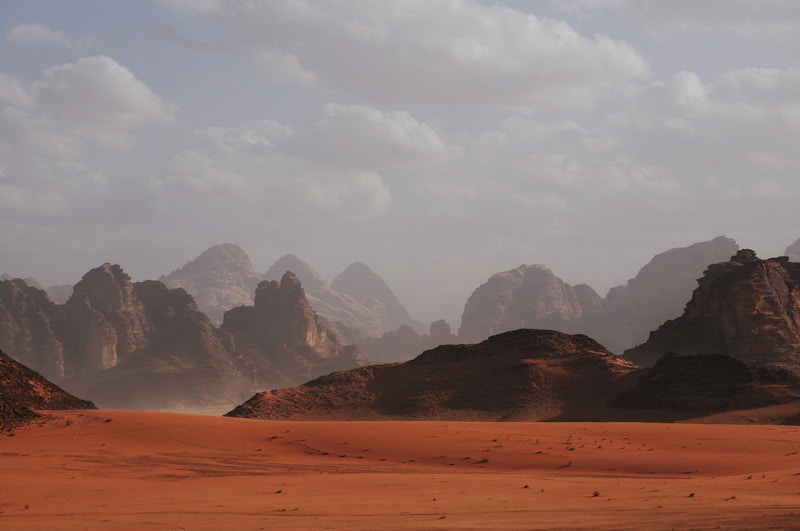
The Atacama stretches over 1,000 kilometers along Chile's northern coast, sandwiched between the Pacific Ocean and the Andes Mountains. This extreme aridity results from the rain shadow of the Andes, the cold Humboldt Current offshore, and a persistent high-pressure system. The landscape features salt flats, volcanic peaks rising over 6,000 meters, geysers, and vast expanses of rock and sand virtually devoid of life. Yet within this barren landscape, oases fed by Andean snowmelt support ribbons of green vegetation. The Atacameño learned to read the desert's subtle signs—underground water sources, seasonal patterns, and the behavior of the few plants and animals that survive here—developing intimate knowledge essential for survival.
Oasis Agriculture and Water Management
Atacameño survival depended on sophisticated water management. They constructed elaborate irrigation canals to channel water from rivers and springs to terraced agricultural fields where they grew maize, quinoa, potatoes, and beans. Stone-lined channels minimized water loss to evaporation and seepage. Each oasis community developed strict water allocation systems, with traditional authorities (jueces de agua) managing distribution according to customary law. Agricultural rituals honored Pachamama (Earth Mother) and water spirits. Despite the harsh environment, Atacameño oases supported populations in the thousands, with surplus production enabling trade with highland and coastal peoples.
Llama Caravans and Trade Networks
The Atacameño were master traders, operating llama caravan networks that connected the Pacific coast, the Atacama oases, and the Andean highlands. Llamas, perfectly adapted to high altitude and sparse vegetation, carried loads of salt, dried fish, obsidian, copper, and textiles across hundreds of kilometers of desert and mountain passes. These trade routes predated the Inca Empire by thousands of years, creating economic relationships that integrated diverse ecological zones. San Pedro de Atacama emerged as a major trade hub where desert, coast, and highland goods changed hands. Atacameño merchants developed extensive knowledge of routes, water sources, and trading partners across the region.
The Kunza Language and Cultural Identity
The traditional Atacameño language, Kunza, was a linguistic isolate unrelated to any other known language. Tragically, Kunza is now extinct as a daily spoken language, with the last fluent speakers dying in the early 20th century. Colonial suppression, mission education, and economic pressures led to language shift to Spanish. However, Kunza survives in place names, ceremonial contexts, and through revitalization efforts. Words like "lickanantay" (their self-designation) and ritual terms remain in use. The loss of Kunza represents one of many indigenous languages lost during South America's colonial and post-colonial periods, though Atacameño cultural identity persists through other means.
Spiritual Traditions and Ceremonies
Atacameño spirituality centered on the sacred landscape—volcanic peaks, springs, and notable rock formations were all imbued with spiritual power. Machaq Mara (Andean New Year, June 21) remains an important celebration at sacred sites. The limpia de canales (canal cleaning) ceremony combines practical maintenance with rituals honoring water spirits. Archaeological evidence reveals elaborate mortuary practices, with mummies preserved in the dry desert air, accompanied by textiles, pottery, and snuff kits containing hallucinogenic substances used in shamanic rituals. Christianity, imposed during colonization, became blended with traditional beliefs in a syncretic system that persists today.
Contemporary Challenges and Revival
Modern Atacameño communities face significant challenges. Large-scale copper mining—Chile produces one-third of the world's copper—competes for scarce water resources and threatens traditional livelihoods. Tourism centered on San Pedro de Atacama brings economic opportunities but also concerns about cultural commodification and environmental impact. Climate change is altering already-marginal water supplies. Despite these pressures, Atacameño identity is experiencing revival: communities have organized to defend water rights, traditional festivals are celebrated publicly, schools teach cultural traditions, and young people increasingly embrace indigenous heritage. The Atacameño demonstrate that even in Earth's most extreme environments, human cultures can not only survive but create rich, complex civilizations.